
Poppa's Pizza Topple: A Fun Social-Emotional Learning Game for Kids
Learning to manage frustration, wait patiently, and navigate unexpected challenges is an important part of childhood development. But teaching these skills doesn't always require a formal lesson. Sometimes, all it takes is a playful game and a wobbly pizza!
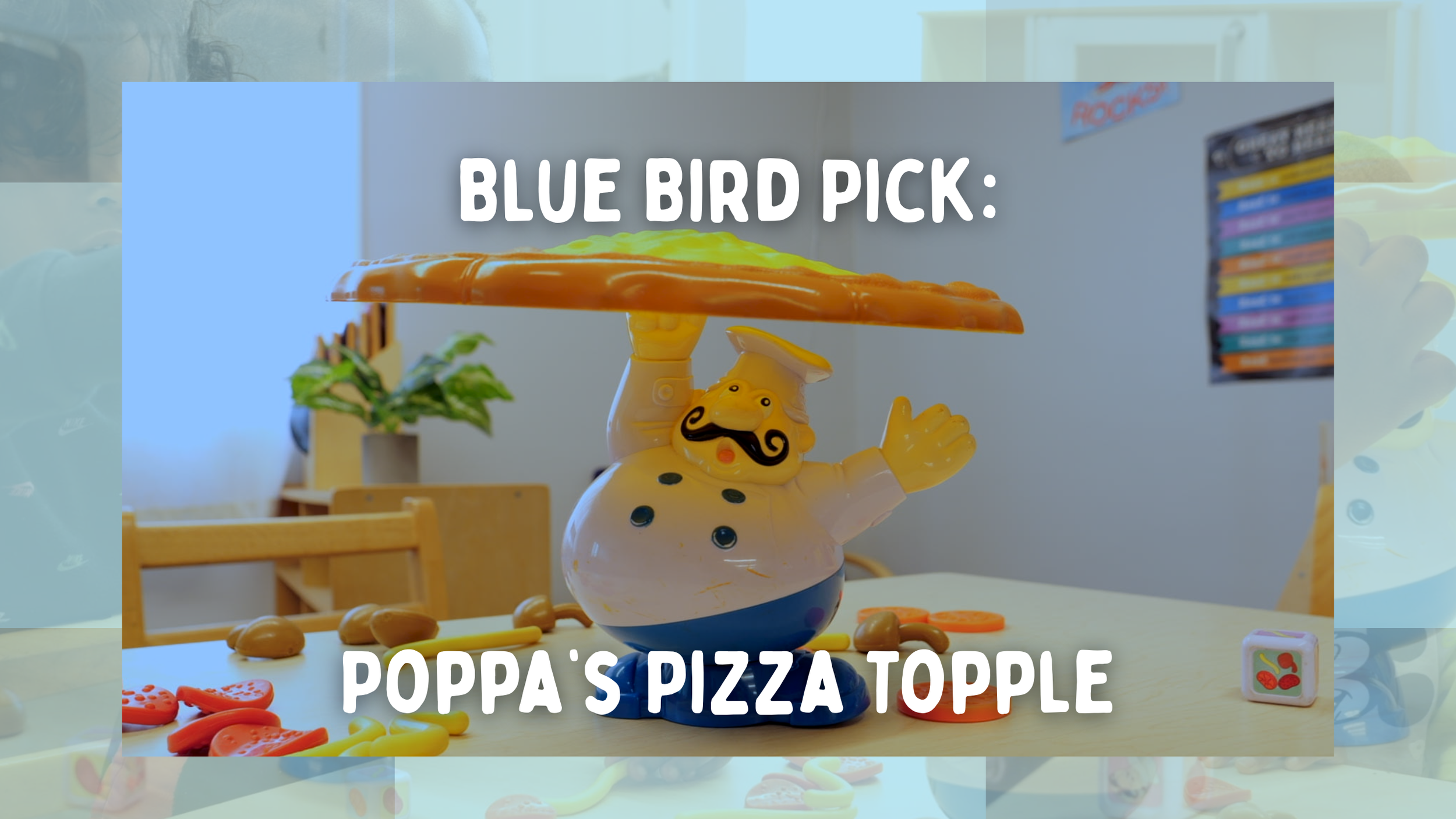
Poppa's Pizza Topple is a balancing game that encourages children to carefully place pizza toppings without causing the pizza to fall. While the goal is simple, the experience creates opportunities to practice several important social-emotional learning (SEL) skills, including patience, impulse control, emotional regulation, and problem-solving.
At Blue Bird Social Skills, we love using games that make learning feel natural and enjoyable. Poppa's Pizza Topple is a great example of how playful challenges can help children practice skills they need in everyday life.
Building Patience and Impulse Control Through Games
Impulse control is an important skill that develops gradually throughout childhood. Children are learning how to pause before acting, consider their choices, and manage the urge to respond immediately.
Poppa's Pizza Topple encourages children to slow down and think carefully before placing each topping.
If they rush or move too quickly, the pizza may become unstable. By taking their time, children can practice coordinating their movements, planning their actions, and responding thoughtfully.
The game also involves waiting for other players, making it a useful opportunity to practice turn-taking and patience.
Parents and educators can reinforce these skills by encouraging children to pause, observe the pizza, and think about where they want to place their next piece.
Practicing Frustration Tolerance and Emotional Regulation
One of the most valuable aspects of Poppa's Pizza Topple is its unpredictability.
Even when children are careful, the pizza may still topple. For some children, that unexpected moment can bring feelings of disappointment, frustration, or embarrassment.
Rather than avoiding these experiences entirely, adults can use them as opportunities to help children practice responding to challenging emotions.
For example, when the pizza falls, an adult might say, "That was frustrating! Let's take a breath and see what we can try differently next time."
Acknowledging children's emotions while helping them move forward supports the development of emotional regulation and resilience.
Over time, children can begin to recognize that mistakes and setbacks are normal parts of learning.
Encouraging Problem-Solving and Flexible Thinking
As more toppings are added, keeping the pizza balanced becomes increasingly challenging.
Children must observe what is happening, consider different placement options, and adjust their approach as the game progresses.
These moments encourage problem-solving and flexible thinking.
A child may initially plan to place a topping in one location but realize that another spot would be more stable. Changing that plan requires flexibility and a willingness to try something different.
These skills extend beyond games. Flexible thinking helps children navigate changes in routines, negotiate with peers, and approach everyday challenges with greater confidence.
Learning Good Sportsmanship
Games with unpredictable outcomes can also create opportunities to practice sportsmanship.
Children may need support learning how to celebrate another player's success, respond appropriately when they lose, or remain engaged after a disappointing round.
Adults can model positive language such as "Nice try!" or "That was a tricky one!" while reminding children that having fun together matters more than winning.
When children are encouraged to focus on effort, participation, and connection, games can become valuable opportunities to strengthen their relationships with others.
How Parents and Educators Can Support SEL During Gameplay
One of the easiest ways to make Poppa's Pizza Topple a meaningful SEL activity is to introduce simple prompts during play.
Before placing a topping, ask children where they think it might balance best. Encourage them to take their time and notice what happens when the pizza begins to wobble.
If a child becomes frustrated, help them identify how they are feeling and consider a strategy for calming down.
After the game, ask questions such as "What was the hardest part?" or "What could we try differently next time?"
These conversations help children connect their experiences during the game to the social and emotional skills they use in other settings.
At Blue Bird Social Skills, we believe play provides children with opportunities to practice the skills they need to build friendships, communicate effectively, and navigate everyday challenges.
Poppa's Pizza Topple is a playful reminder that even when things fall apart, children can learn how to pause, manage their emotions, and try again.
Whether you're a parent, teacher, or professional supporting young children, incorporating games like this into your routine can make social-emotional learning more engaging and approachable.
Want to see Poppa's Pizza Topple in action? Visit the Blue Bird Social Skills YouTube channel to explore how we use this balancing game to practice important social skills.
For more activities, parenting tips, and SEL resources, visit Blue Bird Social Skills.