
Tic Tac Toe for Kids: A Simple Game That Builds Social Skills and Emotional Regulation
When we think of Tic Tac Toe, we often picture a simple game played with pencil and paper. But this familiar childhood activity can offer much more than a few minutes of entertainment. With a little intentional guidance, Tic Tac Toe can become a valuable social-emotional learning (SEL) activity that helps children practice communication, turn-taking, problem-solving, and emotional regulation.
At Blue Bird Social Skills, we believe some of the most effective opportunities for learning happen through everyday play. Tic Tac Toe is a perfect example of how a familiar game can help children develop skills they use in their friendships, classrooms, and daily interactions.
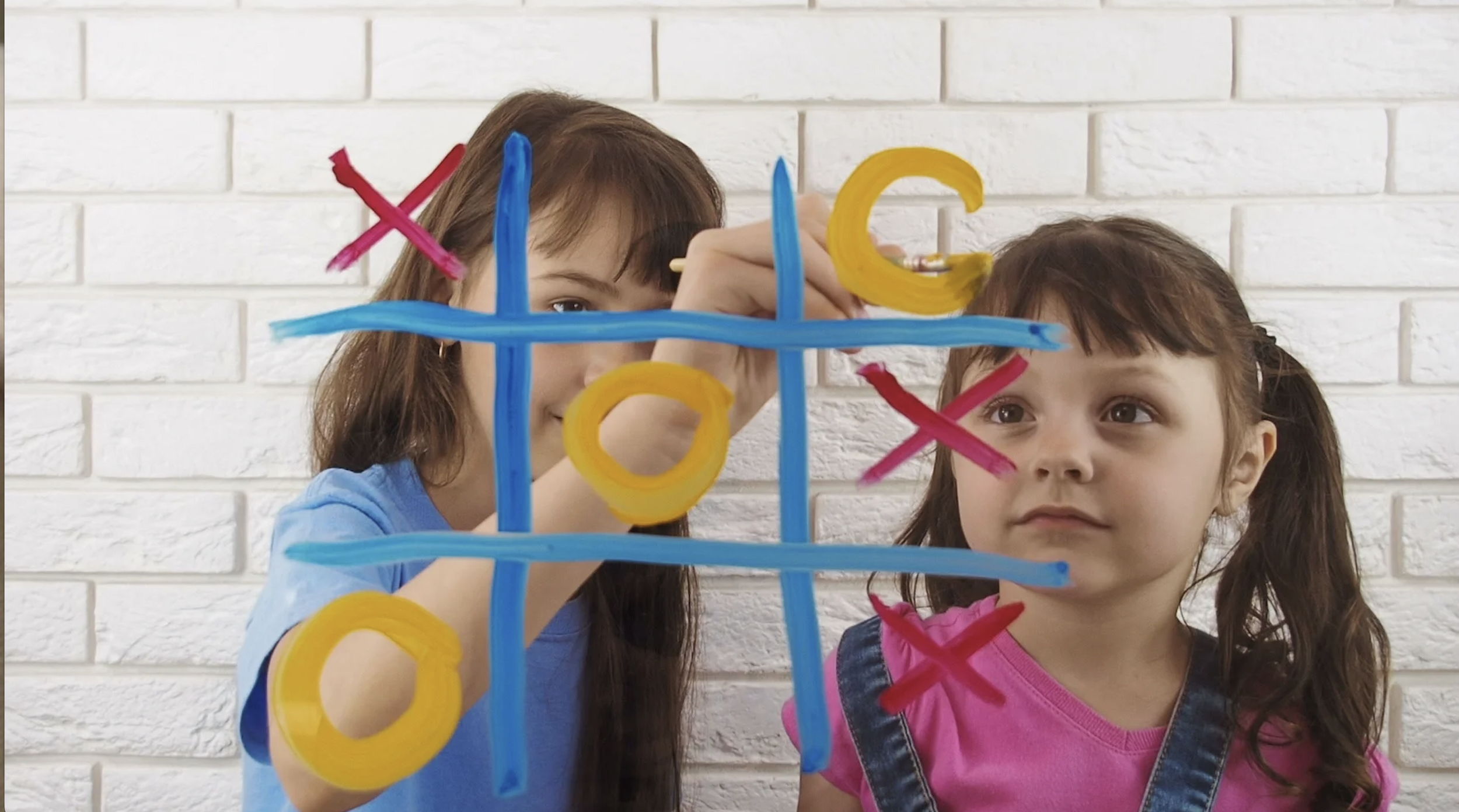
Teaching Turn-Taking and Impulse Control Through Play
One of the foundational social skills children learn is how to take turns. While this may seem straightforward to adults, waiting patiently and allowing someone else to participate can be challenging for young children.
Tic Tac Toe provides a simple structure for practicing these skills. Each player must wait for their turn, pay attention to their opponent's moves, and follow the rules of the game.
For children who struggle with impulse control, this creates an opportunity to practice slowing down, thinking before acting, and respecting another person's turn.
Parents and educators can support this process by modeling patient behavior, offering gentle reminders, and acknowledging moments when children successfully wait or follow the rules.
Building Problem-Solving and Flexible Thinking Skills
Tic Tac Toe also encourages children to think ahead and make decisions. Rather than placing an X or O randomly, children gradually learn to consider different possibilities and anticipate what might happen next.
These moments support problem-solving, planning, and cognitive flexibility.
For example, a child might begin the game with a specific plan but need to change their strategy when their opponent makes an unexpected move. Learning to adapt rather than becoming stuck on one outcome is an important part of social-emotional development.
Flexible thinking is especially useful in everyday situations, whether children are negotiating which game to play with friends, adjusting to a change in routine, or working together on a classroom activity.
Practicing Emotional Regulation and Good Sportsmanship
Winning and losing are natural parts of playing games, but they can bring up big feelings.
For some children, losing a game may lead to disappointment, frustration, or a desire to stop playing altogether. Others may have difficulty celebrating their own success without upsetting another player.
Tic Tac Toe offers a manageable setting for practicing these emotional experiences.
Adults can model helpful language such as "Good game!" or "That didn't go the way I hoped, but I can try again."
Rather than focusing exclusively on who wins, encourage children to notice the strategies they tried, how they handled their feelings, and how they treated their playing partner.
Over time, these experiences can help children develop greater frustration tolerance, resilience, and sportsmanship.
Encouraging Independence and Peer Interaction
Another benefit of Tic Tac Toe is its simplicity. Once children understand the rules, they can often play independently with a friend or classmate.
This creates opportunities to initiate interactions, invite others to play, explain rules, resolve minor disagreements, and practice positive peer communication.
For younger children who are still learning the game, adults can demonstrate a few rounds before gradually stepping back and allowing children to take the lead.
Tic Tac Toe requires very few materials and can be played almost anywhere, making it an accessible activity for classrooms, homes, waiting rooms, and social skills groups.
Making Everyday Games Meaningful
The value of Tic Tac Toe isn't simply in learning how to win. It's in the opportunities the game creates for children to practice patience, cooperation, flexibility, emotional regulation, and connection.
At Blue Bird Social Skills, we encourage parents and educators to look for these teachable moments in familiar activities. Even a quick game can become a meaningful opportunity to support a child's social and emotional growth.
Want to see Tic Tac Toe in action? Visit the Blue Bird Social Skills YouTube channel for our video exploring how to use this classic game to support social-emotional learning.
For more play-based SEL activities and practical guidance, explore our other resources at Blue Bird Social Skills.