
Friendship Bracelets for Kids: A Creative Social-Emotional Learning Activity
Friendship bracelets are more than a fun craft project. For young children, making friendship bracelets can be a meaningful opportunity to practice social-emotional learning (SEL) skills, including communication, cooperation, patience, creativity, and friendship development.
At Blue Bird Social Skills, we believe that some of the most effective opportunities for children to build social skills happen naturally through activities they already enjoy. A simple friendship bracelet project can create a shared experience where children practice working together, making choices, giving to others, and navigating the small challenges that come with creating something by hand.
Why Friendship Activities Matter for Young Children
Friendships are an important part of early childhood development. As children grow, they begin moving from primarily parallel play toward more cooperative interactions with peers. They learn how to initiate play, share ideas, listen to others, compromise, and repair small conflicts.
These skills don't always develop simply because children spend time around one another. They need opportunities to practice.
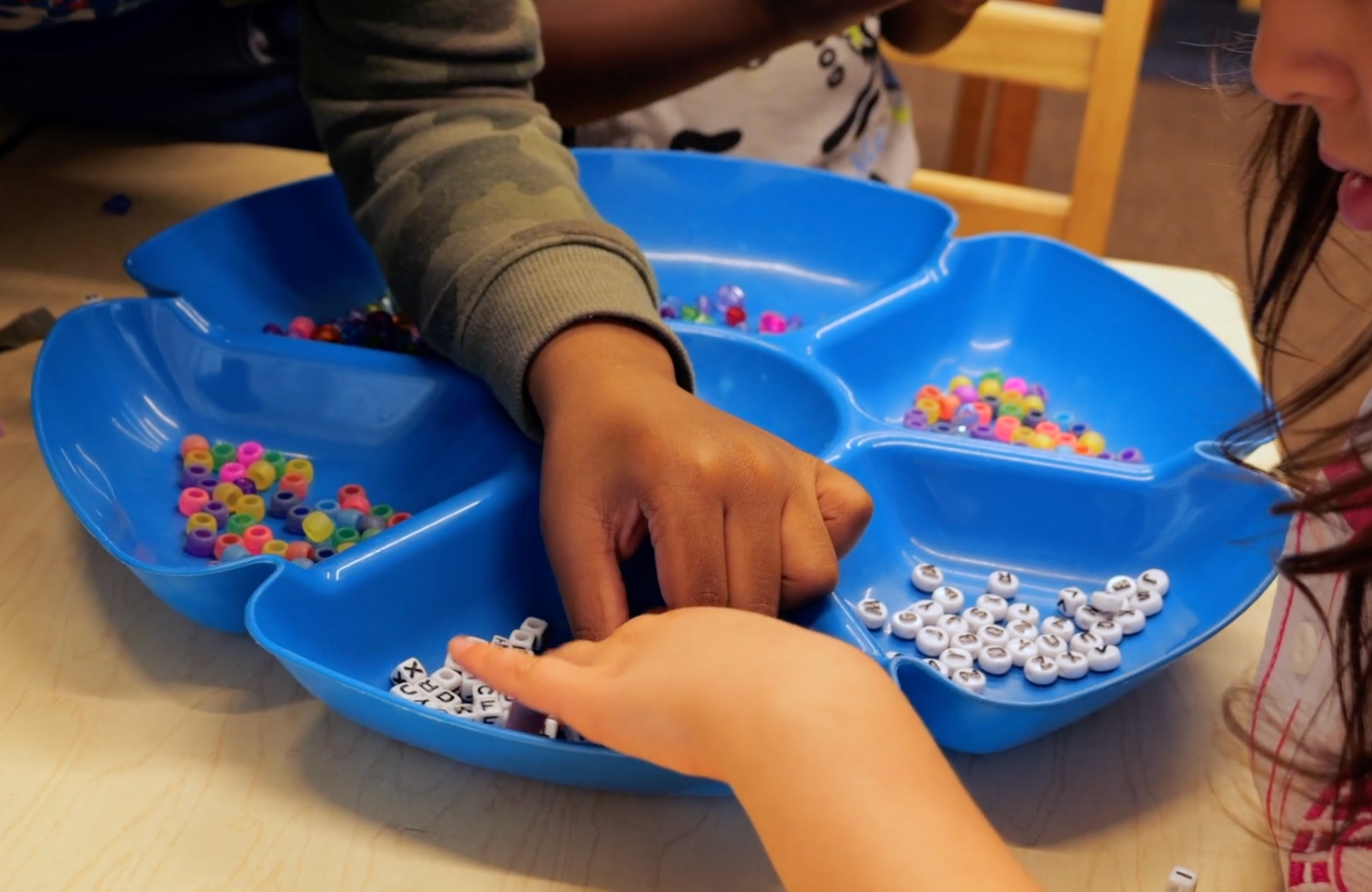
A friendship bracelet activity provides a structured but flexible setting for that practice. Children can work alongside one another while talking about colors, patterns, designs, and who they might give their bracelet to. The activity gives them something concrete to focus on while naturally creating opportunities for conversation and connection.
Friendship Bracelets Encourage Cooperation
Making bracelets can become a collaborative activity rather than something children complete entirely on their own.
Children might share materials, help one another choose colors, demonstrate how to create a pattern, or ask a friend for help when something becomes difficult. These small interactions encourage cooperation and communication.
For children who aren't always sure how to enter into peer play, a shared craft can also provide an easy starting point.
Instead of having to figure out what to say to another child from scratch, they have a natural conversation starter:
"What colors are you using?"
"Can you help me with this part?"
"Do you want to make one for each other?"
These simple exchanges can help children practice initiating and maintaining interactions with peers.
Practicing Patience and Frustration Tolerance
Crafts aren't always easy—especially for young children.
A bracelet may not look the way a child imagined. Beads might fall off. A pattern might get mixed up. A child might struggle with the fine motor skills needed to manipulate the materials.
Those moments can be frustrating, but they can also be opportunities to practice frustration tolerance and emotional regulation.
Instead of immediately fixing the problem for a child, an adult can acknowledge the frustration and encourage them to try again, ask for help, or think about another solution.
"That didn't work the way you wanted. What could we try next?"
This helps children learn that frustration doesn't necessarily mean they need to stop. They can experience a difficult feeling, work through it, and continue.
That is an important foundation for resilience.
Giving a Friendship Bracelet Can Teach Empathy
One of the most meaningful parts of a friendship bracelet activity can be deciding what to do with the finished bracelet.
When children make something for another person, they have an opportunity to think about someone else's preferences and feelings. They might choose a friend's favorite color or decide to give their bracelet to someone who could use a kind gesture.
This introduces concepts like empathy, generosity, perspective-taking, and kindness in a way that feels tangible to young children.
The bracelet becomes more than something they made. It becomes a way of communicating, "I thought about you."