
Putting It All Together: How to Create a Social-Emotional Learning Lesson for Young Children
Social-emotional learning doesn't have to look like a formal lesson with children sitting at desks and listening to a lecture. For young children, some of the most meaningful social-emotional learning (SEL) happens through movement, play, stories, conversations, and repeated practice.
At Blue Bird Social Skills, we use a variety of play-based strategies to help children develop skills like emotional regulation, communication, empathy, confidence, cooperation, and resilience. Breathing exercises, storytime, games, and positive self-affirmations can each support social-emotional development on their own, but they can become even more powerful when they are intentionally brought together.
That is the focus of Episode 6 of our Blue Bird Social Skills for Young Children series: putting the different pieces of SEL practice together into one engaging lesson.
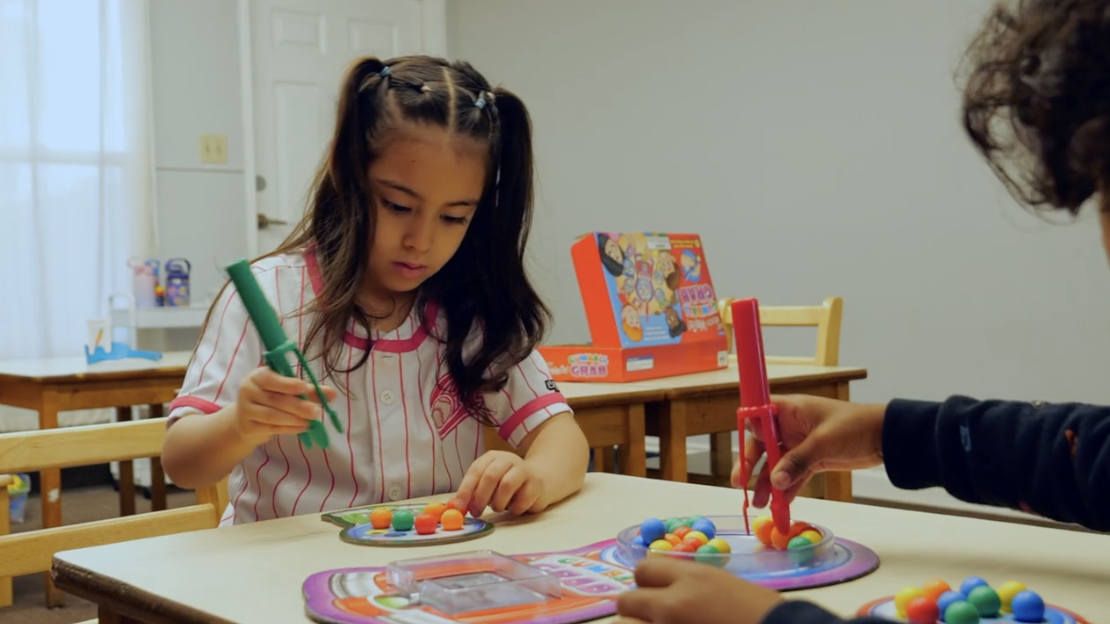
Social-Emotional Learning Works Best Through Practice
Knowing what to do and actually being able to do it are two different things.
A child may understand that they should take turns, but waiting can still be difficult. They may know that they should use their words when frustrated, but become overwhelmed and struggle to communicate in the moment. They may understand that mistakes are okay but still become upset when something doesn't go their way.
These moments are opportunities for practice.
The goal of social-emotional learning is not simply to teach children a list of skills. It is to give them repeated opportunities to experience those skills in supportive environments until they become more familiar and, eventually, more independent.
This is why incorporating different activities into an SEL lesson can be so valuable. Each activity provides a slightly different opportunity to practice.
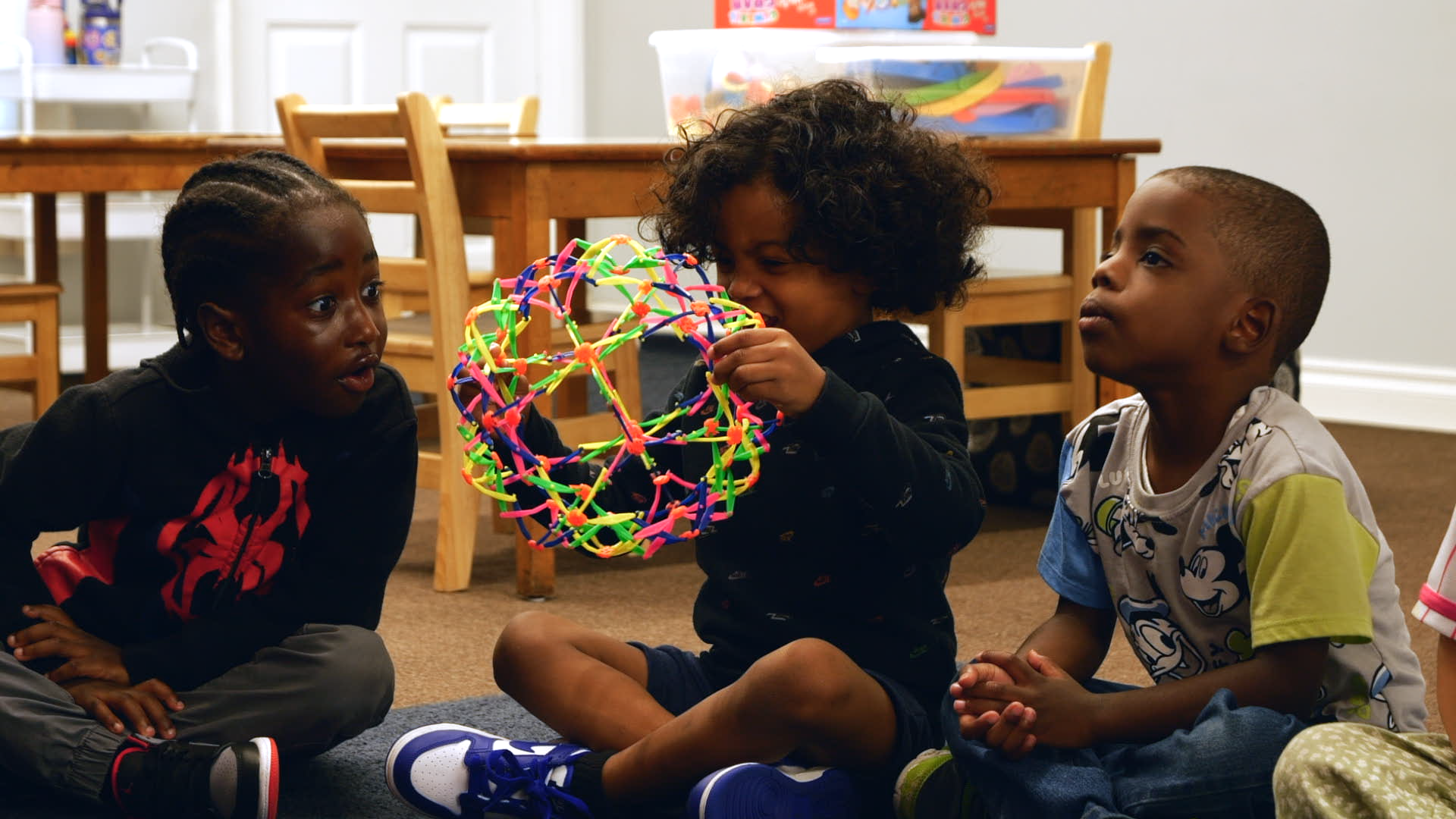
Start With Breathing and Emotional Regulation
One way to begin an SEL lesson is with a simple breathing exercise.
Breathing activities can help children slow down, pay attention to their bodies, and practice a strategy they can eventually use when they experience strong emotions. At Blue Bird Social Skills, we introduce breathing as something children can practice when they are calm—not only when they are already overwhelmed.
This distinction is important. Children are more likely to remember a strategy during a challenging moment when they've had opportunities to practice it beforehand.
A short breathing activity can also help create a transition into the rest of the lesson. Instead of immediately moving from one activity to another, children have an opportunity to pause, focus, and become present.
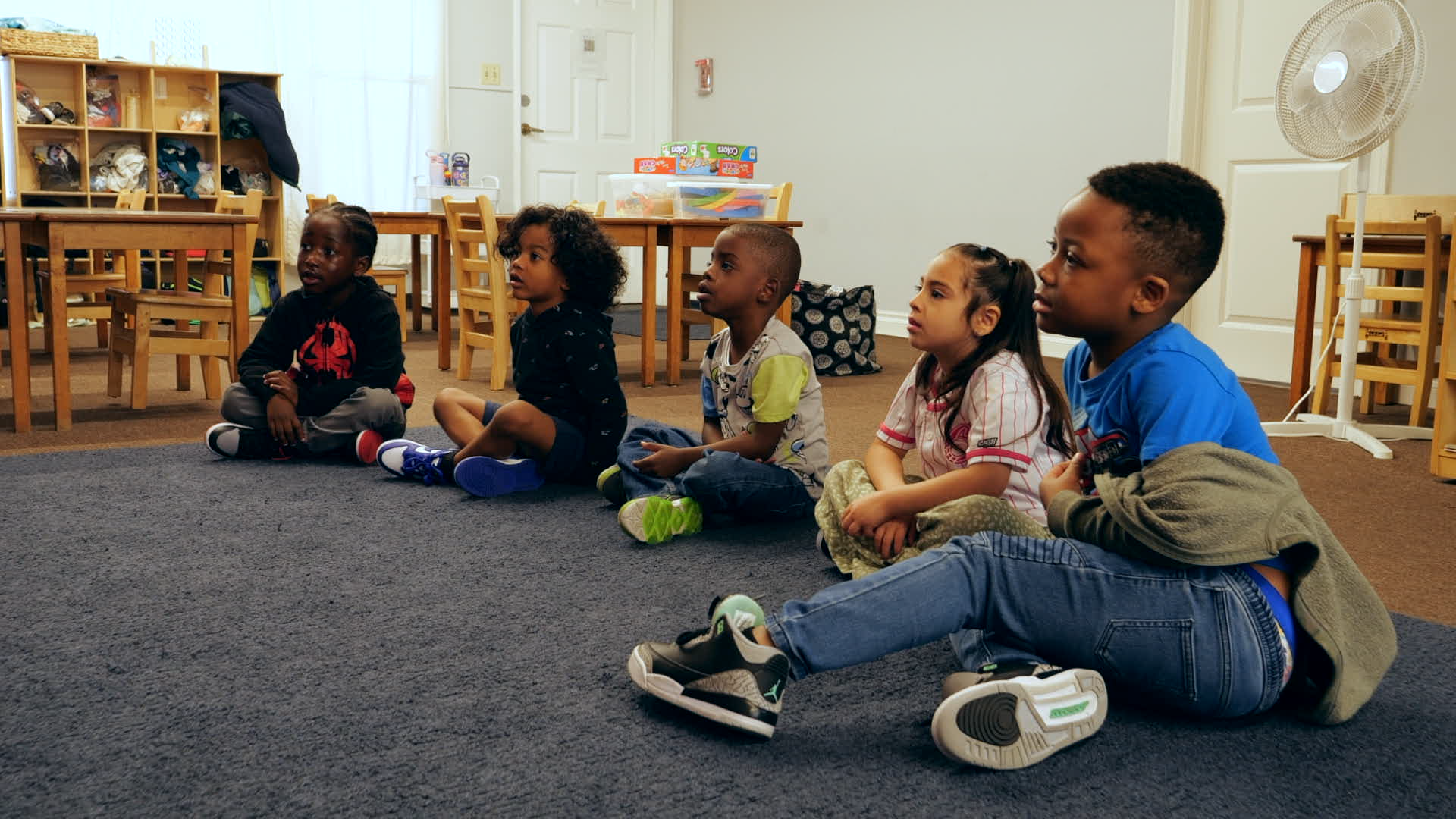
Use Storytime to Explore Emotions and Social Situations
Once children are settled, a story can provide a natural way to explore social-emotional concepts.
Stories give children opportunities to see characters experience emotions, solve problems, make mistakes, navigate friendships, and respond to challenges. Because the situation is happening to a character rather than directly to the child, children can explore complicated emotions from a comfortable distance.
An adult can ask questions such as, "How do you think the character feels?" or "What could they do next?" These conversations encourage children to practice perspective-taking, emotional vocabulary, empathy, and problem-solving.
Storytime also provides an opportunity to connect the lesson to real life. A story about a character feeling left out, for example, could lead to a conversation about what children can do when they want to join a game.
Turn Learning Into Practice Through Games
After talking about a social-emotional concept, games and activities can give children an opportunity to actually practice it.
At Blue Bird Social Skills, facilitated games are an important part of our approach because games naturally create social situations. Children have to wait for turns, follow rules, communicate with others, handle unexpected outcomes, and navigate winning and losing.
A simple game can create opportunities to practice turn-taking, impulse control, cooperation, frustration tolerance, flexibility, and sportsmanship.
And sometimes the most valuable learning happens when something doesn't go according to plan.
A child might lose a turn, lose the game, have another player take something they wanted, or discover that their strategy didn't work. These moments can be difficult, but they also give children an opportunity to practice the emotional regulation strategies they've been learning.
With adult support, children can learn to pause, breathe, identify their feelings, and try again.