
Why Parent Coaching Matters: Supporting Social-Emotional Development Beyond the Classroom
When young children are learning to navigate big emotions, friendships, communication, and challenging behavior, the adults around them play an important role. At Blue Bird Social Skills, we believe supporting children also means giving parents practical tools they can use in everyday life.
Parent coaching helps to bridge the gap between what children learn in a classroom or social skills program, and what they experience at home. Instead of simply telling parents what strategies to use, coaching helps families understand why a child may be struggling and how to respond in ways that encourage communication, emotional regulation, and independence.
Children Learn Through Relationships
Young children develop social and emotional skills through everyday interactions with the adults around them. The Harvard Center on the Developing Child describes these responsive back-and-forth interactions as "serve and return." When adults respond to children's communication, emotions, and needs, they help build foundations for social, emotional, and cognitive development.
These opportunities happen constantly. A parent helps a child name a feeling, listens to a story about a difficult day, helps resolve a sibling disagreement, or encourages a child to try again after something doesn't work.
Parent coaching helps caregivers recognize these ordinary moments as opportunities for learning.

Turning Information Into Practical Strategies
It's one thing to understand that children need emotional regulation skills. It's another to know what to do when your preschooler is crying because they can't have what they want.
Parent coaching focuses on that practical connection.
For example, instead of responding only to a challenging behavior, parents can learn to consider what the child may be communicating and what skill they may still be developing. A child who struggles during transitions may need more preparation. A child who grabs toys may need support learning how to enter play. A child who becomes extremely upset when they lose may need opportunities to practice frustration tolerance.
The CDC's Essentials for Parenting Toddlers and Preschoolers similarly emphasizes positive communication, structure, clear expectations, and consistent responses as important parenting strategies.

Building Resilience Through Everyday Challenges
Resilience doesn't mean children never become frustrated or upset. It means they gradually learn that they can experience difficult emotions and recover from them.
The Harvard Center on the Developing Child identifies supportive relationships as an important factor in children's ability to develop resilience. Parents can help by providing support without always immediately removing the challenge.
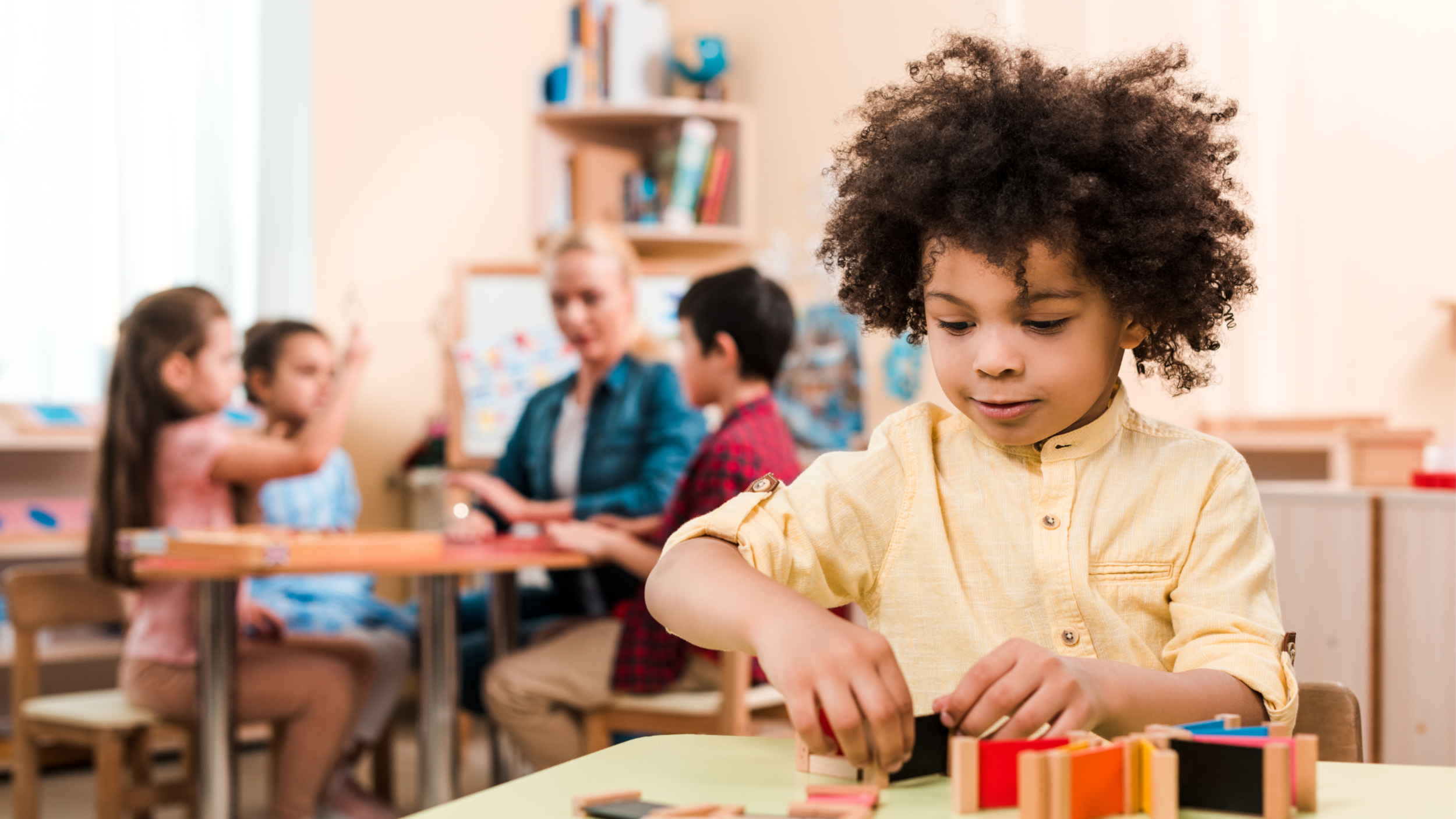
If a child's block tower falls, for example, an adult might acknowledge the disappointment and encourage the child to think about what they could try differently rather than immediately rebuilding it for them. The message becomes: That was hard, but you can handle hard things.
Parent Coaching Is About Empowerment
Parent coaching isn't about creating a perfect parenting approach. Every child and family is different, and strategies often need to be adapted.
Instead, coaching gives parents a flexible toolkit. When caregivers understand the reasoning behind a strategy and have opportunities to practice it, they can feel more confident responding to their child's individual needs.
At Blue Bird Social Skills, we believe parents should leave coaching feeling supported and empowered—not judged. Social-emotional learning doesn't stop when a child leaves the classroom. Children practice communication, emotional regulation, friendship skills, and resilience during meals, playdates, sibling disagreements, transitions, and countless other everyday moments.
When parents have the tools to support that learning, those ordinary moments can become powerful opportunities for growth.