
How Facilitated Games and Activities Support Social-Emotional Learning in Young Children
Children learn through play. For young children especially, games and activities provide a natural way to explore emotions, practice communication, solve problems, and learn how to interact with others. At Blue Bird Social Skills, we use facilitated games and activities as an important part of our approach to social-emotional learning (SEL), because play creates meaningful opportunities for children to practice skills in real time.
While simply playing a game can provide developmental benefits, facilitated play takes the learning one step further. With guidance from an adult, everyday games can become opportunities to intentionally practice social skills such as turn-taking, cooperation, communication, emotional regulation, frustration tolerance, and problem-solving.
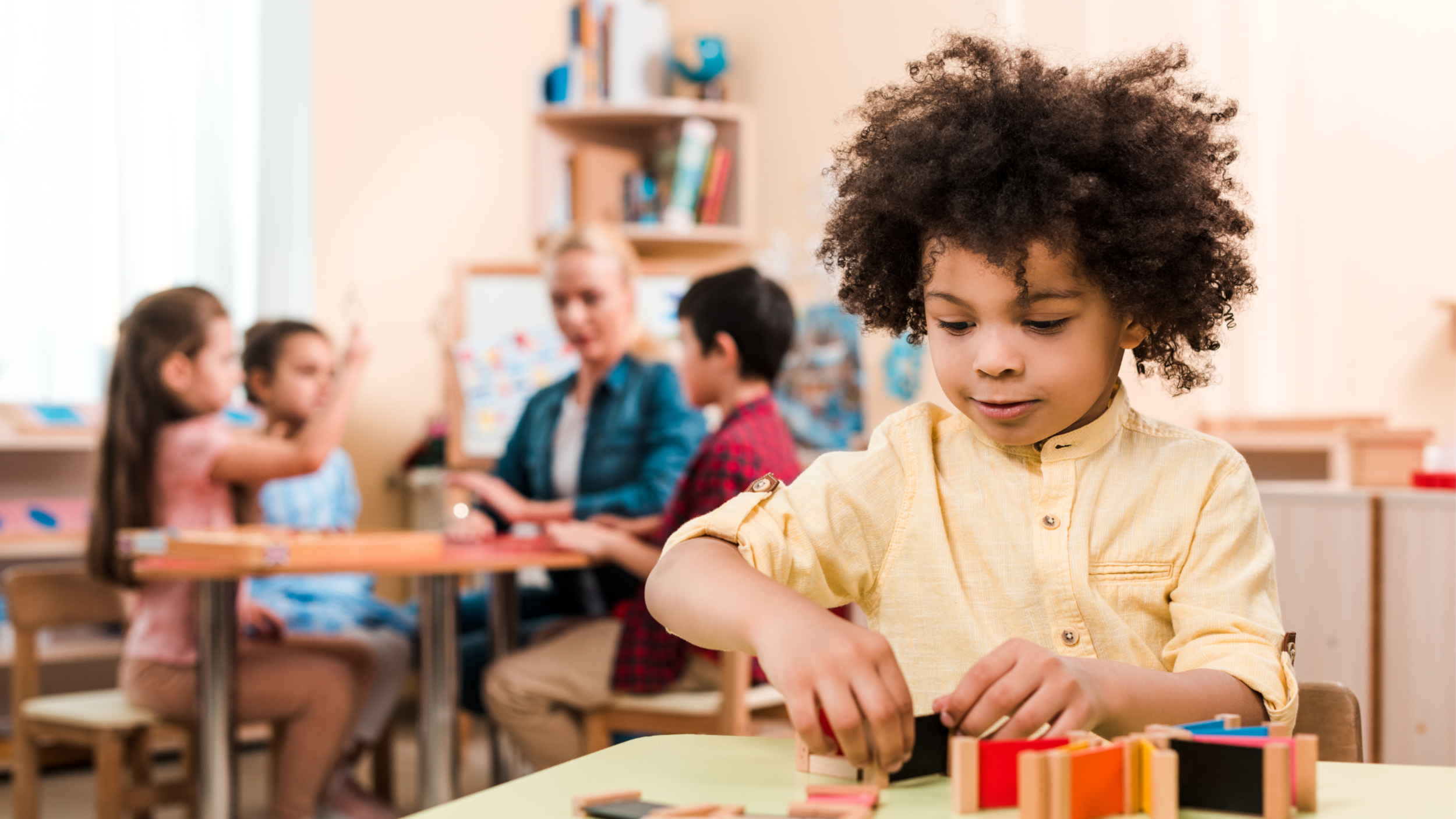
Facilitated play means that an adult actively supports children as they participate in an activity or game. Rather than simply explaining the rules and watching from the sidelines, the adult helps children notice social and emotional moments as they happen.
A child might need support waiting for their turn, managing disappointment after losing, asking another child for a game piece, or deciding what to do when something doesn't go according to plan. These moments are not interruptions to the learning—they are the learning.
At Blue Bird Social Skills, we use these opportunities to help children understand what they are experiencing and practice strategies for responding appropriately. A game can provide a structured, low-pressure environment where children can experience frustration, excitement, disappointment, success, and uncertainty while having an adult nearby to model and reinforce healthy responses.
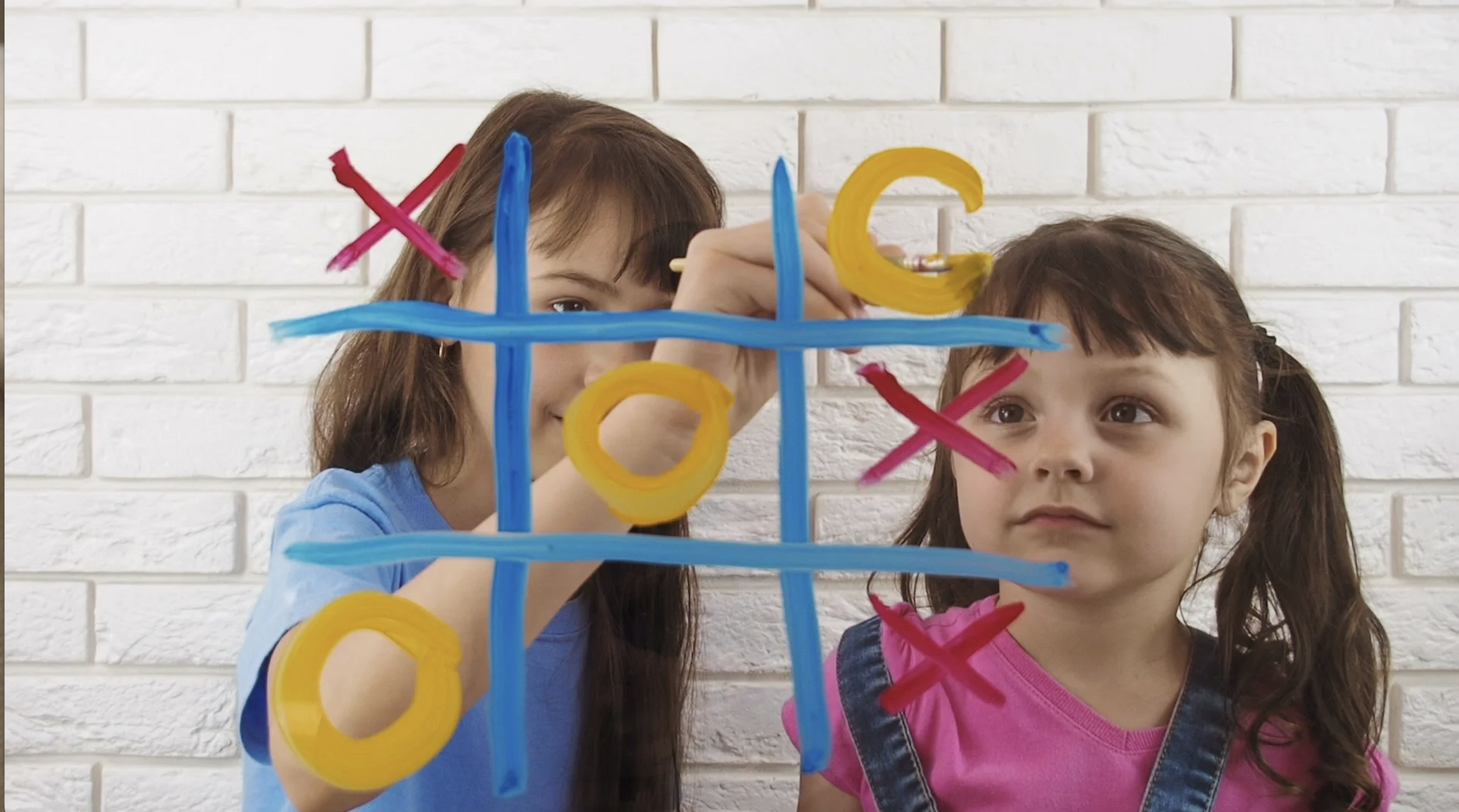
Games naturally create many of the social situations children encounter in everyday life. Players have to wait, follow rules, communicate, make decisions, handle unexpected outcomes, and respond to other people's actions. This makes games an especially effective tool for teaching social skills for kids.
Turn-taking is a great example. A child may understand that they are supposed to wait for another person, but actually waiting can be difficult. They may become impatient or want to interrupt. During a facilitated game, an adult can help the child practice waiting while reinforcing why taking turns matters.
Games also create opportunities to develop impulse control. Children often have to resist the urge to grab something, change a rule, interrupt another player, or act before it is their turn. With repeated practice, children can begin developing the ability to pause and think before acting.
Perhaps one of the most valuable aspects of games, however, is that they provide opportunities to practice frustration tolerance and emotional regulation.
Not every game goes the way a child hopes. They may lose a turn, miss an opportunity, have another player win, or discover that their strategy didn't work. These experiences can bring up strong emotions. With the right support, children can learn that disappointment is something they can handle rather than something they need to avoid.

Winning and losing are important social-emotional learning experiences.
For some children, losing can feel overwhelming. They may become angry, cry, quit the game, or blame others. For other children, winning can create its own challenges if they have difficulty being gracious or noticing how another player feels.
Facilitated games allow adults to model what healthy sportsmanship looks like. Children can practice saying, "Good game," congratulating another player, taking a breath when they feel disappointed, or trying again after something doesn't work.
These moments help children build resilience. They learn that losing does not mean they failed as a person, and that one disappointing experience does not have to end their participation. Instead, they can acknowledge the feeling, regulate their emotions, and continue.
At Blue Bird Social Skills, this is an important part of our philosophy. We don't expect children to automatically know how to handle difficult emotions. We give them opportunities to practice these skills in supportive environments.
Facilitated games can also support other areas of childhood development. Depending on the activity, children may practice fine motor skills, language, memory, attention, cognitive flexibility, planning, problem-solving, and following directions.
For example, a game that requires children to use tongs to pick up small objects can strengthen fine motor coordination while simultaneously creating opportunities to practice turn-taking and patience. A building activity can encourage collaboration and communication while children work toward a shared goal. A storytelling game can encourage imagination while helping children explore emotions and different perspectives.
This is why play-based SEL can be so powerful. Instead of separating social-emotional development from other areas of learning, games allow multiple skills to develop together.