
The Importance of Storytime: How Reading Together Builds Social Skills, Emotional Intelligence, and Lifelong Confidence
For many families, storytime is a cherished part of the day—a chance to slow down, cuddle up, and enjoy a favorite book together. While reading certainly helps children develop early literacy skills, its benefits extend far beyond learning letters and words. At Blue Bird Social Skills, we view storytime as one of the most valuable tools for teaching social-emotional learning (SEL), helping children develop emotional regulation, empathy, communication skills, and confidence through the power of stories.
Books introduce children to characters who experience many of the same emotions and challenges they do. Whether a character feels nervous on the first day of school, frustrated after making a mistake, or excited about making a new friend, children have the opportunity to recognize these emotions in a safe, supportive setting. Storytime creates natural moments for children to identify feelings, ask questions, and begin understanding that everyone experiences a wide range of emotions.
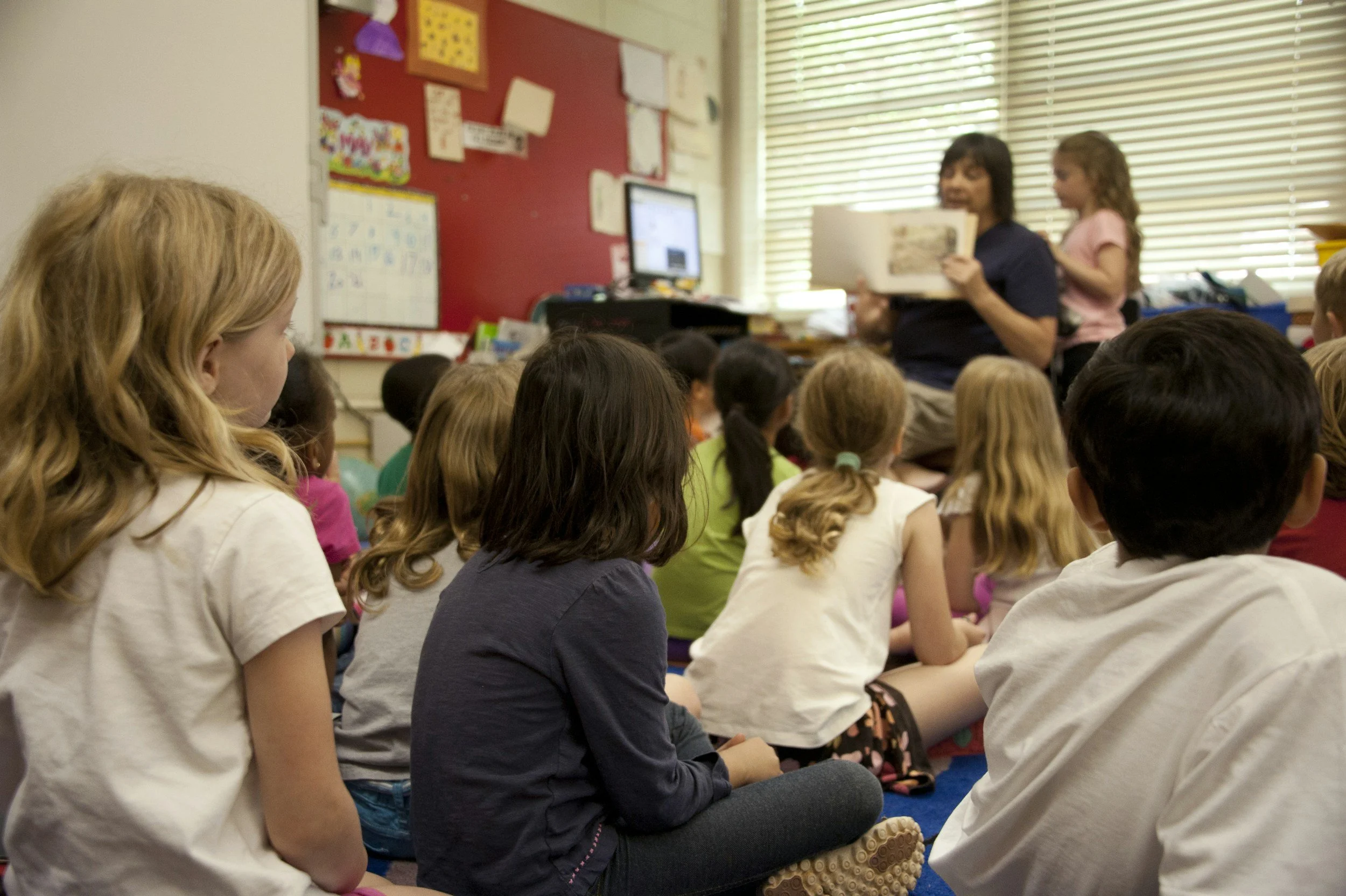
This process is an important part of developing emotional intelligence. As children become more familiar with emotional language through books, they begin building the vocabulary to express their own feelings. Instead of simply saying they're "mad" or "sad," they learn to recognize emotions like disappointment, pride, embarrassment, excitement, worry, or frustration. Expanding emotional vocabulary helps children communicate more effectively and supports healthy emotional regulation.
Storytime also encourages children to practice one of the most important social skills: perspective-taking. Every story invites children to see the world through someone else's eyes. They begin asking questions like, Why did that character feel that way? What could they have done differently? How would I feel in that situation? These conversations strengthen empathy by helping children understand that others may think, feel, and react differently than they do.

At Blue Bird Social Skills, we intentionally use storytime to spark these discussions. Rather than simply reading a book from beginning to end, we encourage children to pause and reflect. Asking open-ended questions throughout a story transforms reading into an interactive learning experience. Children become active participants as they predict what might happen next, identify emotions, solve problems alongside the characters, and connect the story to their own experiences.
Storytime is also an excellent opportunity to strengthen communication skills. Children naturally practice listening, taking turns speaking, answering questions, and sharing their thoughts during discussions about a book. These conversations help build confidence while reinforcing respectful communication and active listening—skills that are essential for building friendships and navigating everyday social situations.

For parents and educators, the goal isn't to turn every story into a formal lesson. Sometimes the most meaningful conversations happen naturally. A simple question like, "How do you think that character is feeling?" or "What would you have done?" can open the door to thoughtful discussions that help children build emotional awareness and problem-solving skills. This interactive approach to reading is one of the many strategies we emphasize in the Blue Bird Social Skills for Young Children course.
Throughout the course, parents, educators, and caregivers learn practical, evidence-based ways to use everyday activities—including storytime—to teach emotional regulation, communication, friendship skills, and confidence in engaging, age-appropriate ways. At Blue Bird Social Skills, we believe books do more than entertain. They help children make sense of the world around them, understand themselves, and connect with others.
Every story offers an opportunity to build empathy, encourage curiosity, strengthen emotional resilience, and develop the social skills children will carry into school, friendships, and eventually adulthood.