
Why Social Skills Matter More Than Ever in Combating Childhood Loneliness
In recent years, conversations about loneliness have become increasingly common. While we often think of loneliness as something that affects adults, research and everyday experience tell us that children can experience loneliness too. In fact, feelings of isolation can begin much earlier than many people realize, particularly when children struggle to connect with peers, communicate their needs, or navigate social situations successfully.

At Blue Bird Social Skills, we believe that social-emotional learning is one of the most powerful tools we have to help children build meaningful connections and reduce feelings of loneliness before they become long-term challenges.
Loneliness is not simply about being alone. A child can be surrounded by classmates and still feel disconnected. Often, loneliness stems from difficulty building and maintaining relationships, uncertainty about how to enter social situations, or challenges understanding social cues and communication. When children repeatedly experience unsuccessful social interactions, they may begin avoiding opportunities to connect altogether, creating a cycle that becomes increasingly difficult to break.
This is where social skills become so important.

Social skills give children the tools they need to initiate conversations, join play activities, communicate their feelings, solve problems with peers, and develop friendships. These skills may seem simple on the surface, but they form the foundation of meaningful relationships throughout life.
Many young children need direct instruction and guided practice to develop these abilities. Just as we teach children how to read, write, and count, social skills often benefit from intentional teaching. Children who learn how to introduce themselves, ask questions, share ideas, cooperate with peers, and navigate disagreements are more likely to build positive social experiences that encourage further connection.
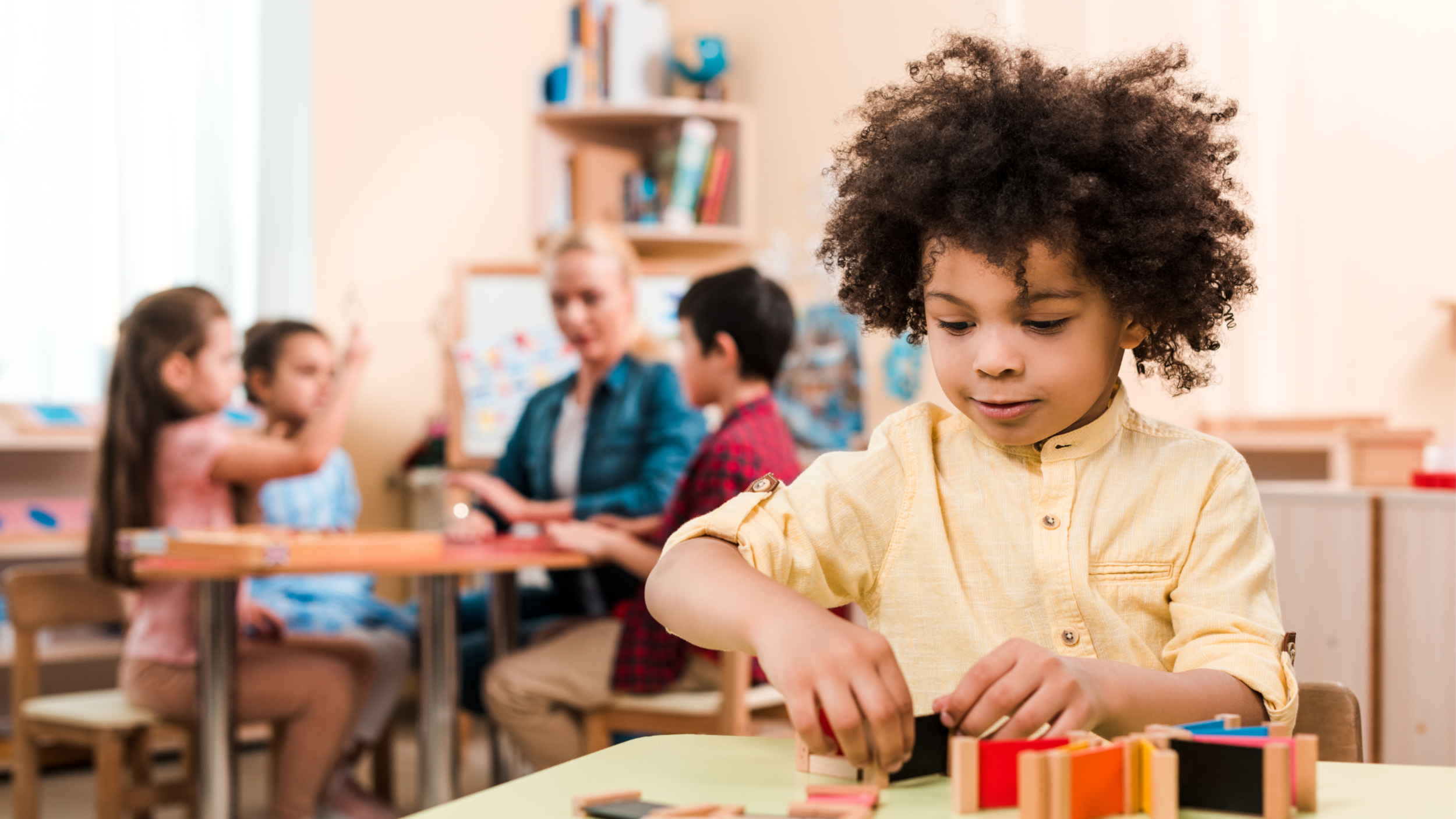
Emotional regulation also plays a critical role in reducing loneliness. Friendships require flexibility, patience, empathy, and resilience. Children who can manage disappointment, recover from conflicts, and understand the emotions of others often find it easier to maintain positive relationships over time.
This is one reason social-emotional learning is such a central part of our approach. Through games, storytelling, collaborative activities, mindfulness exercises, and guided social practice, children learn not only how to interact with others but how to understand themselves. These skills work together to create stronger connections and greater confidence in social settings.
For parents and educators looking to support these skills at home or in the classroom, we created the Blue Bird Social Skills for Young Children course. The course provides practical, evidence-based strategies for helping children develop emotional regulation, communication skills, cooperation, and social confidence through engaging, age-appropriate activities.
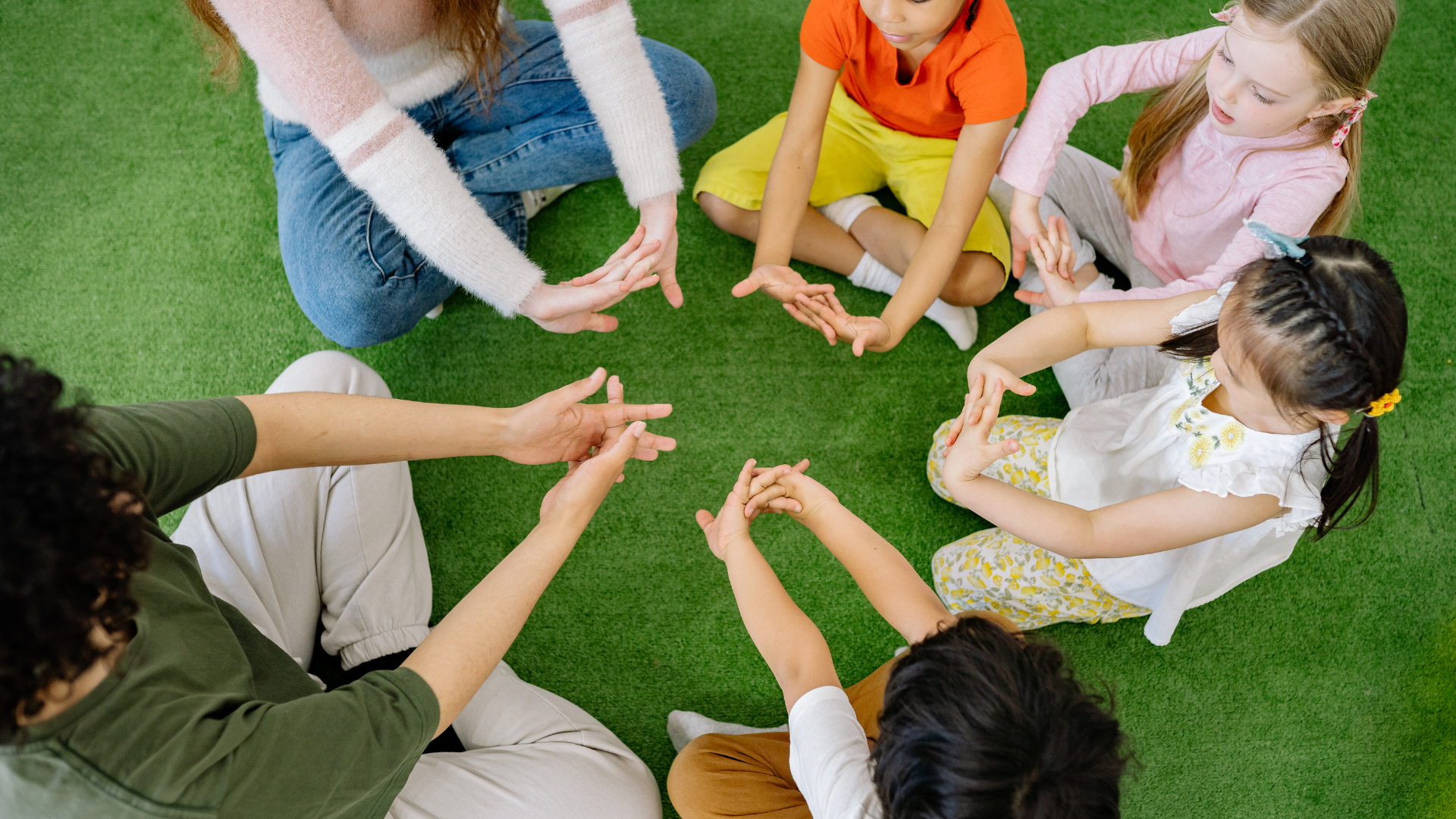
When children learn social-emotional skills early, they gain more than the ability to make friends. They develop a sense of belonging. They learn that relationships can be rewarding, challenges can be navigated, and connection is something they are capable of creating.
In a world where loneliness is becoming an increasingly common concern, helping children build strong social skills may be one of the greatest gifts we can give them. By investing in social-emotional development early, we help children build the confidence, resilience, and relationships that support well-being throughout their lives.