
Why Making Friends Isn’t “Natural” for Everyone — and Why That’s Okay
Friendship is often described as something that should come naturally, especially during adolescence and young adulthood. But for many teens and young adults, social connection doesn’t unfold effortlessly. Conversations feel awkward, cues are confusing, and attempts to connect may be met with silence or misunderstanding. This experience can be isolating, particularly when peers seem to navigate friendships with ease.
The truth is that friendship is a skill set, not an instinct. It involves understanding unspoken rules, managing anxiety, interpreting social feedback, and adjusting behavior in real time. For individuals with autism, ADHD, or social communication differences, these expectations can feel overwhelming — not because they lack desire for connection, but because the rules are rarely taught explicitly.

When friendship challenges are framed as personal failures, confidence erodes. Teens may withdraw socially, and young adults may avoid opportunities altogether. But when we reframe social difficulty as a gap in instruction rather than ability, something shifts. Skills can be learned, practiced, and strengthened over time, especially when taught in environments that feel safe and affirming.
Structured social learning spaces provide that opportunity. When participants are guided through how conversations work, how friendships form, and how to read social situations step by step, they gain clarity. Concepts that once felt mysterious become predictable and manageable. Practice becomes less about performance and more about experimentation.
Importantly, progress happens when learning feels relevant and real. Social skills instruction that incorporates peer interaction, humor, shared activities, and reflection mirrors the situations participants face in daily life. These experiences help translate knowledge into action, building confidence that extends beyond the group setting.
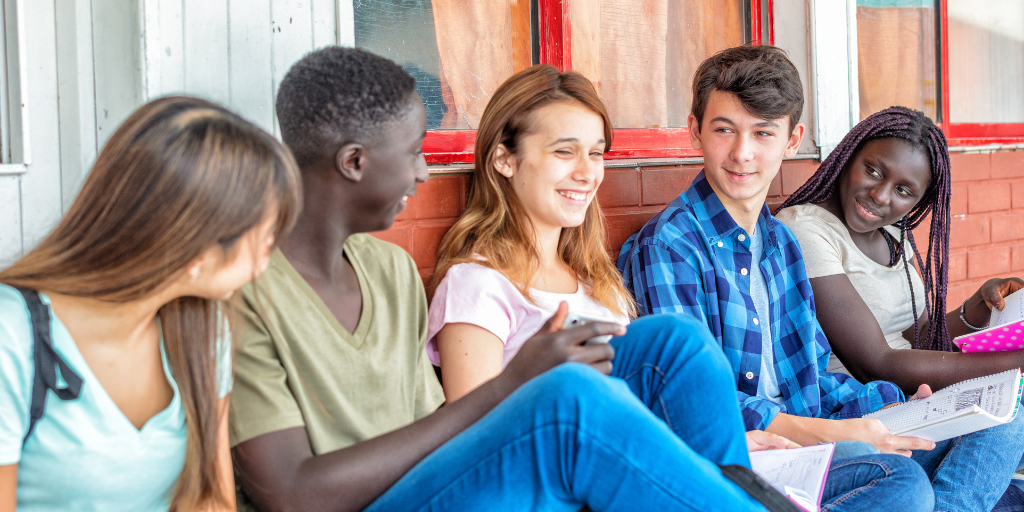
When teens and young adults are given tools rather than expectations, they begin to see social connection as something attainable. Friendship stops feeling like a test and starts feeling like a process — one that can be navigated with support, patience, and practice.