Why Emotional Regulation Matters More Than We Think in Early Childhood
In early childhood, emotions often arrive faster than words. A small disappointment can feel overwhelming, a sudden transition can spark tears, and excitement can tip into dysregulation just as quickly. While these moments are developmentally normal, they reveal something important: emotional regulation is one of the most foundational skills children are learning in their early years.

Emotional regulation is not about suppressing feelings or expecting children to “calm down” on command. It is about helping them recognize what they are feeling, understand why it is happening, and discover strategies that allow them to move through those emotions safely and effectively. When children begin to build this awareness, they gain tools that support every other area of development, from learning and focus to friendships and confidence.
Children who are supported in emotional regulation tend to have an easier time navigating group settings, following routines, and recovering from setbacks. Rather than becoming stuck in frustration or overwhelm, they learn that feelings are temporary and manageable. This understanding fosters resilience, which becomes especially important as children enter school environments where expectations, peer dynamics, and transitions increase.
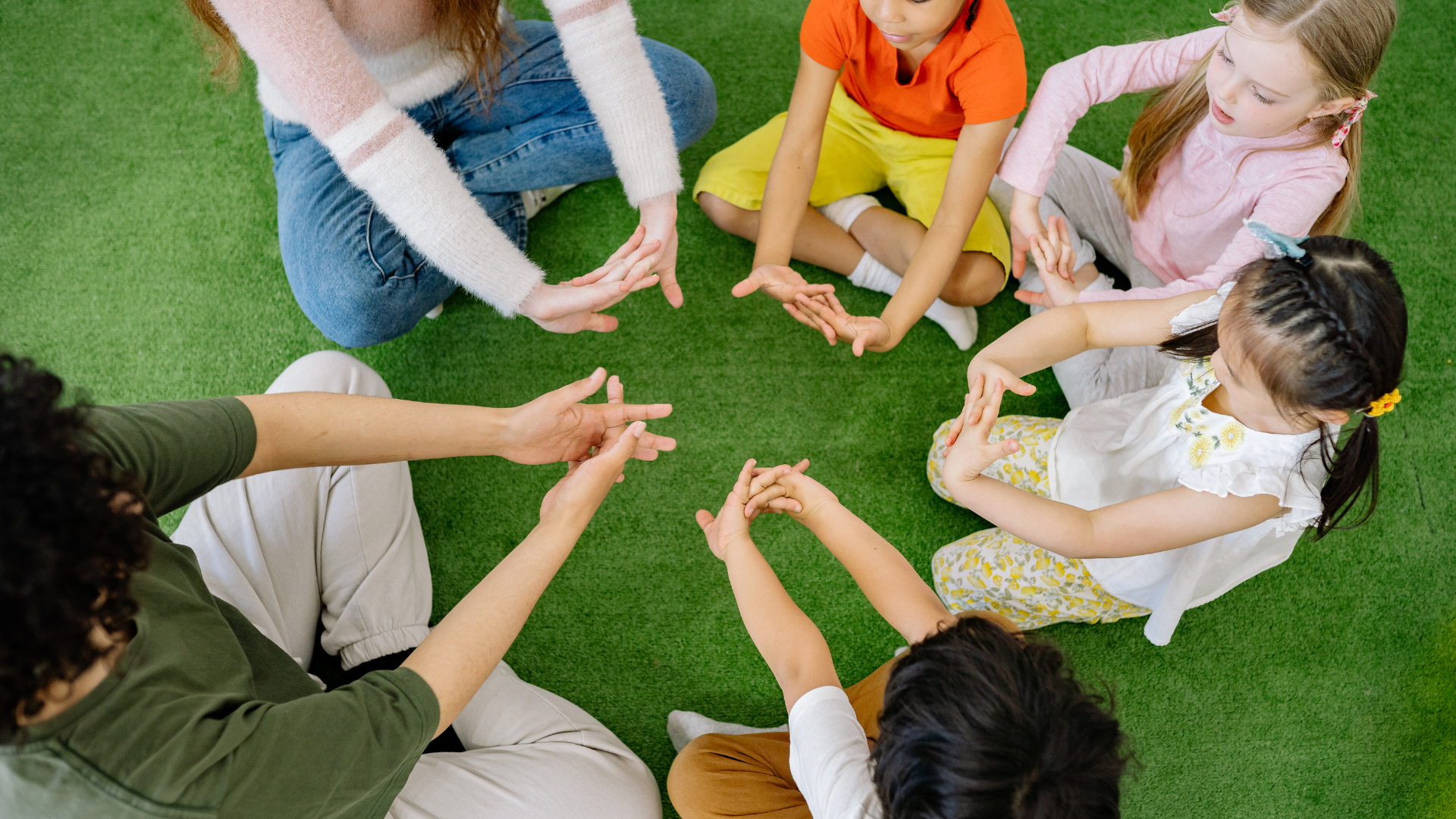
Parents may try to teach these skills in the moment, during a meltdown or conflict, but emotional learning is most effective when it happens proactively. Calm moments create opportunities to practice breathing, reflect on feelings, and rehearse responses before challenges arise. When emotional regulation is introduced through play, stories, and movement, children absorb it naturally, without pressure or shame.
Over time, consistent exposure to emotional language and regulation strategies helps children internalize them. What begins as guided practice slowly becomes self-directed coping. Children start to pause before reacting, articulate their needs more clearly, and show greater empathy toward others.
When meeting someone new, you might say, “I introduced myself, asked about their day, and really listened to what they had to say. That’s how we make connections!”
This is why intentional social-emotional learning in early childhood matters so deeply. When emotional regulation is woven into engaging, age-appropriate activities and revisited over time, it becomes part of a child’s internal toolkit. Rather than reacting to emotions as obstacles, children learn to see them as signals they can understand and respond to — a skill that will support them long after childhood.